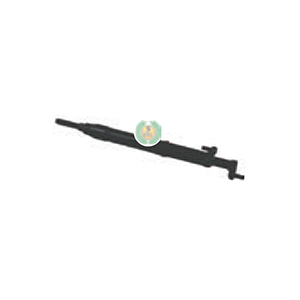
The Crank Position Sensor (Model No: CRS-5641708) is a must-have component for automotive professionals seeking distinguished engine performance. Made from high-grade metal and top-drawer plastic, it is engineered with competitive pricing for superior value. Designed for passive electrical power mode with a 5V DC operating voltage, its high hardened steel construction and anti-corrosive finish deliver noteworthy durability. This sensor offers seamless access to accurate digital pulse output, ensuring precise crankshaft position and speed detection. Compatible with most passenger and light commercial vehicles, it features standard OEM size, prestigious Hall Effect sensing, and quick response time (<5 ms), making it remarkable for modern engine requirements.
Application Excellence: Where Precision Meets Performance
The CRS-5641708 Crank Position Sensor sets itself apart with its smooth, anti-corrosive surface treatment, making it perfectly suited for rigorous automotive engine environments. Engineered for flange mount installation, it excels in passenger and light commercial vehicles. Primary competitive advantages include its precise tolerance (0.01 mm), high hardness construction, and noteworthy digital pulse technology, assuring reliable performance where crankshaft position accuracy is vital. This lets automotive specialists count on consistent results during vehicle diagnostics and repairs.
Packaging, Supply, and Delivery Proposal
Each Crank Position Sensor is shipped in robust, export-grade packaging, safeguarding the device during transit. Our proposal amount varies on order quantity, with an estimate provided promptly upon inquiry. We maintain a noteworthy supply ability to meet bulk requirements efficiently and offer shipment from India through a nominated FOB port for streamlined delivery. This ensures top-drawer logistics and consistent availability for distributors, exporters, and wholesalers across international markets.
FAQs of Crank Position:
Q: How is the Crank Position Sensor installed in vehicles?
A: The sensor is designed for bolt-on (flange mount) installation, ensuring secure and seamless fitting in most passenger and light commercial vehicles using standard OEM size specifications.
Q: What is the primary function of this crank sensor?
A: Its primary function is to accurately detect the position and rotational speed of the engines crankshaft, supporting optimal engine timing and vehicle operation.
Q: When should I consider replacing the Crank Position Sensor?
A: You should replace the sensor if you notice engine misfires, difficulty starting, inaccurate RPM readings, or diagnostic trouble codes associated with crankshaft positioning.
Q: Where is the Crank Position Sensor typically located?
A: The sensor is usually mounted near the crankshaft in the engine block, positioned precisely for direct monitoring of crankshaft movement.
Q: What are the benefits of using the CRS-5641708 model sensor?
A: Key benefits include maintenance-free lubrication, rapid response (<5 ms), high durability from hardened steel construction, anti-corrosive coating, and seamless operation under extreme temperatures (-40C to +150C).
Q: How does the Hall Effect sensing process work in this sensor?
A: Hall Effect technology enables the sensor to generate a digital pulse output by detecting magnetic fields associated with the crankshafts position, ensuring accurate and real-time engine data for the ECU.